








Tracking expenses is the foundation of every good budget. Until you see where your money actually goes, it’s hard to know what to change. The good news is that tracking can take just a few minutes a day.
You can’t control what you don’t measure. Tracking expenses shows you exactly where your money goes.
Choose a method
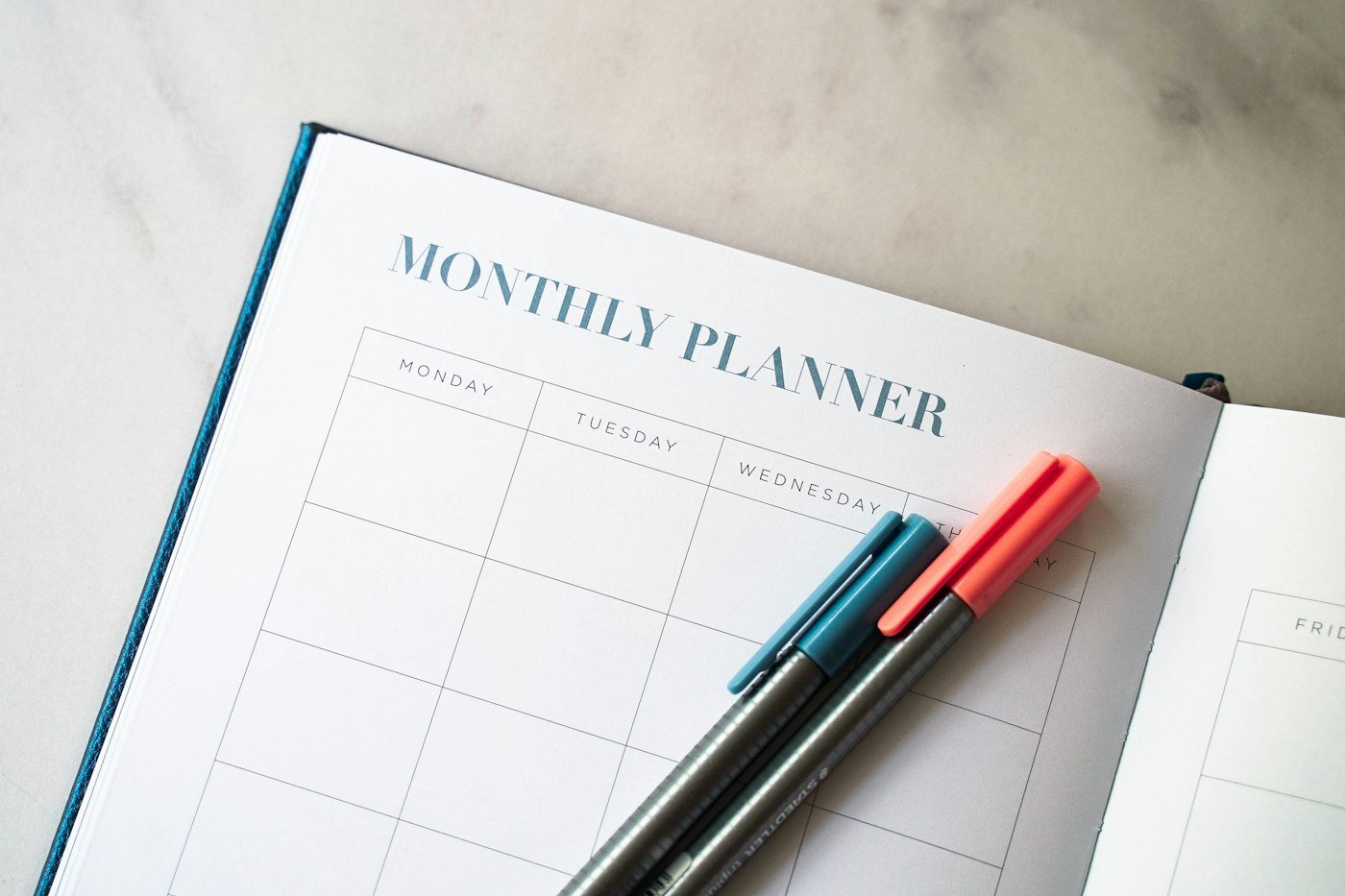
- A notebook or diary
- A spreadsheet
- A budgeting app
- Your bank app’s spending summary
Record daily
Take one minute each evening to write down that day’s spending.
Group into categories
Food, transport, bills, shopping, entertainment and so on.
Review weekly
Check whether you’re on track with your budget.
Look for leaks
Small repeat costs like snacks, delivery fees and unused subscriptions often add up the most.
Common Categories to Track
- Housing and bills
- Groceries
- Eating out and takeaways
- Transport and fuel
- Shopping
- Subscriptions
- Health
- Gifts and family
Making It a Habit
- Track at the same time every day.
- Keep receipts in one place.
- Use your bank app’s spending summary.
- Review totals every Sunday.
A Simple Example
After one month of tracking, someone might find they spent 6,000 on food delivery without realising. Cutting delivery to once a week could save around 4,000 a month.
Common Mistakes to Avoid
- Only tracking big purchases.
- Stopping after a week.
- Tracking without reviewing.
Frequently Asked Questions
Do I need to track cash?
Yes, cash spending is easy to forget.
How long should I track?
At least a month to see patterns, ideally always.
Is an app better than paper?
Use whichever you’ll stick with.